

Advertising Discrepancy Reporting: A guide.
Advertising discrepancy reporting is one of the most important and time-consuming aspects of direct campaign management. Differences between first-party and third-party reporting are common across digital advertising, yet many media companies still rely on spreadsheets and manual workflows to identify discrepancies, investigate root causes, and align on billable delivery.
What is advertising discrepancy reporting?
Advertising discrepancy reporting is the process of comparing first-party and third-party advertising data to identify differences in campaign delivery metrics.
Media companies typically deliver campaigns through ad servers such as Google Ad Manager or FreeWheel, while advertisers often measure performance through platforms such as CM360, Innovid, or Extreme Reach. Because these systems measure and report delivery independently, discrepancies are common. Discrepancy reporting helps teams monitor, understand, and manage those differences throughout the campaign lifecycle.
What are advertising discrepancies?
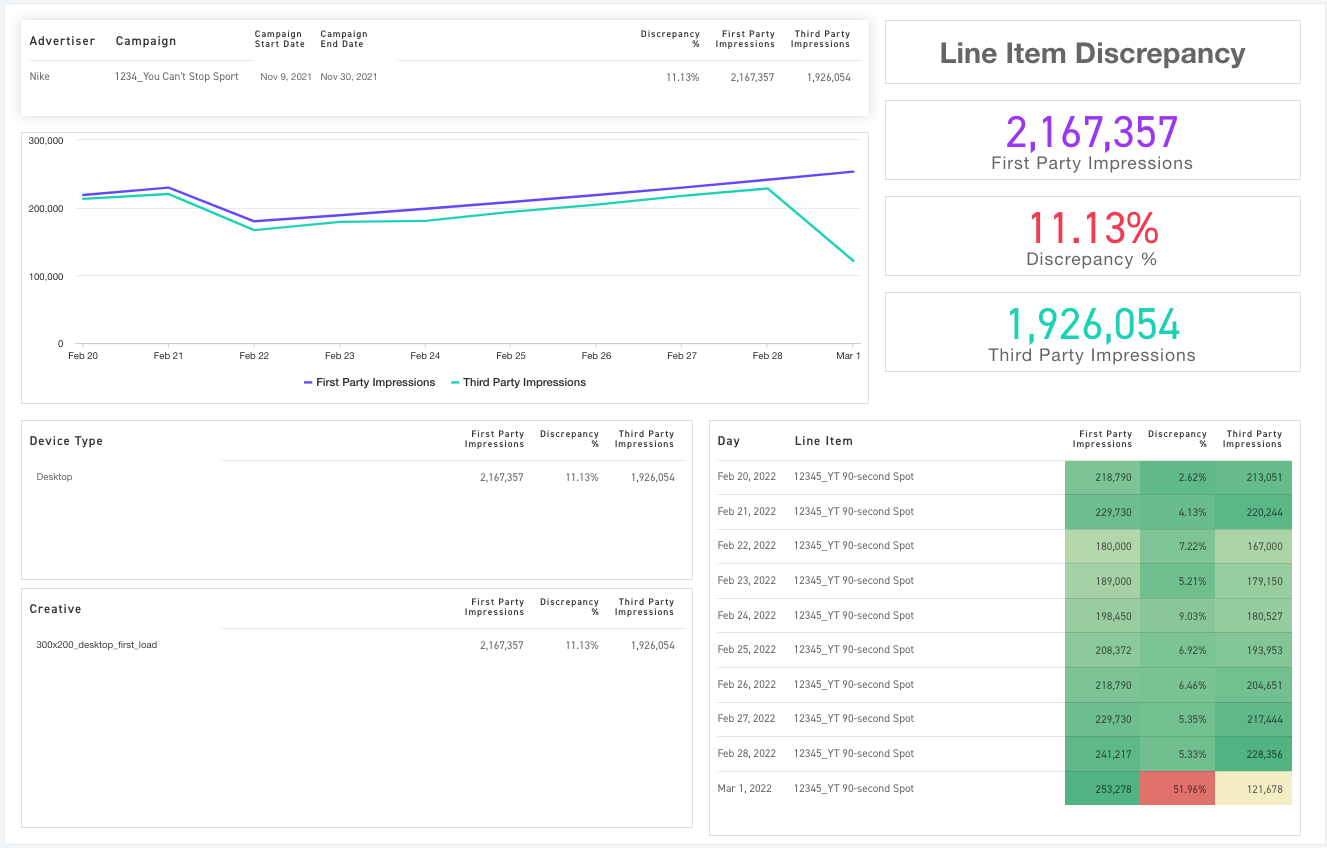
Advertising discrepancies occur when two systems report different results for the same campaign.
For example, a publisher’s ad server may report one million impressions delivered, while an advertiser’s ad server reports only 930,000 impressions. Although both systems are measuring the same campaign, differences in tracking methodologies, counting rules, and reporting windows can produce different results.

Why do discrepancies happen?
Discrepancies are a normal part of digital advertising because different platforms measure campaign activity differently.
A first-party ad server may count an impression when an ad tag is served, while a third-party platform may count it only after the creative fully loads. Other factors such as reporting latency, time zone differences, invalid traffic filtering, browser behavior, and tracking implementation can also contribute to discrepancies.
As campaigns become more complex and involve additional measurement vendors, discrepancies become more common. Understanding their source is a critical part of campaign management.
Why is discrepancy reporting important?
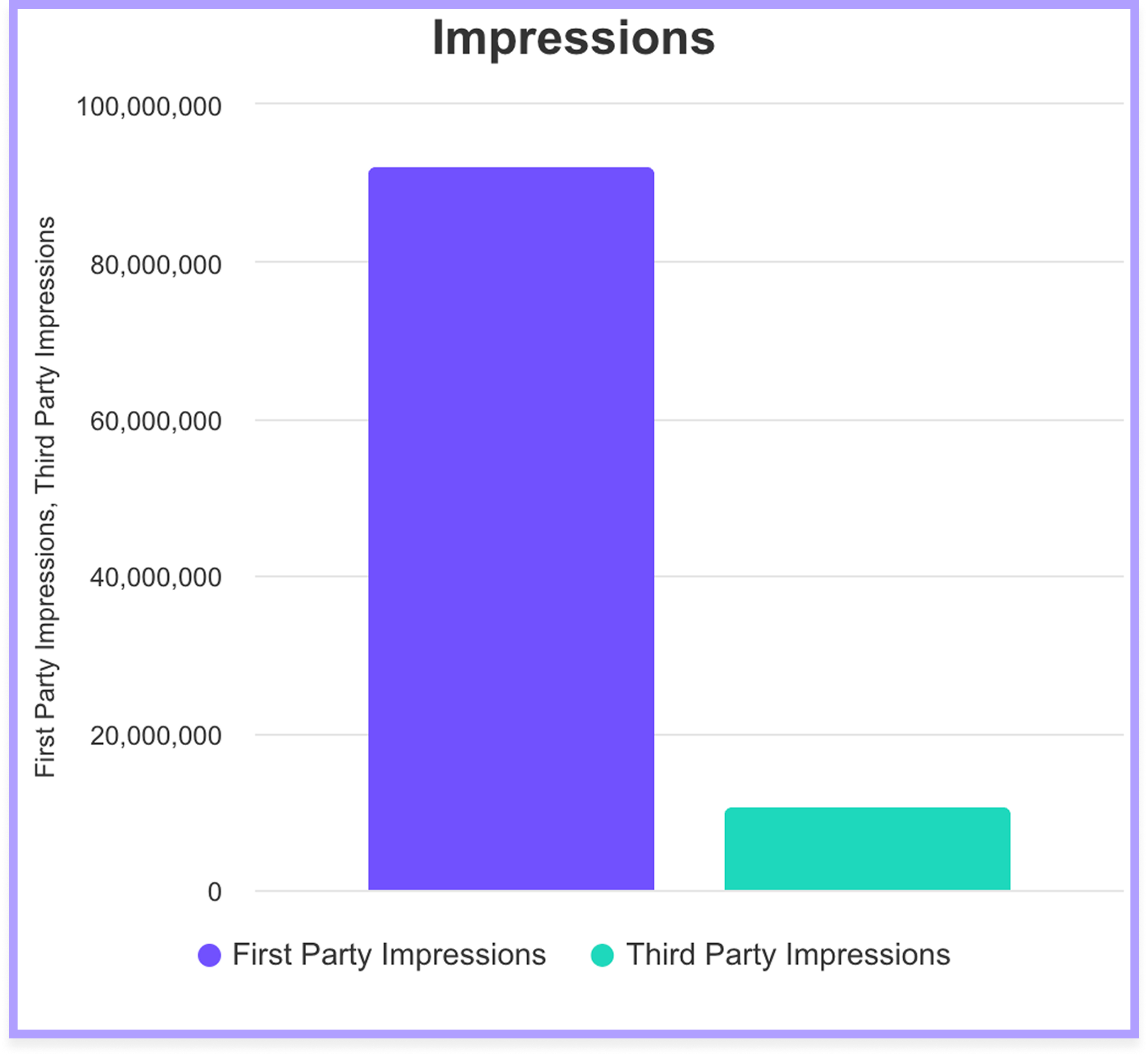
For many direct-sold campaigns, advertisers bill against third-party reported delivery rather than first-party ad server numbers. This makes visibility into discrepancies essential throughout the campaign, not just at the end of the month.
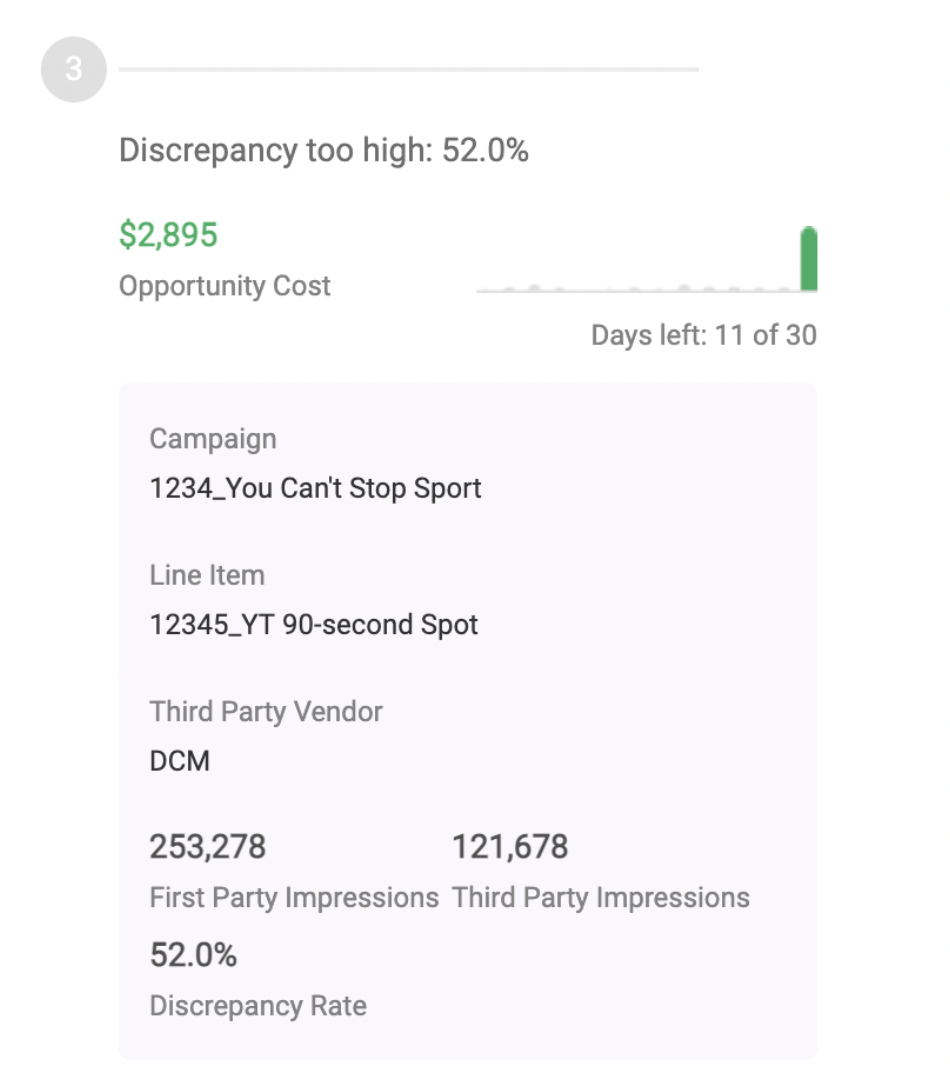
Effective discrepancy reporting helps teams catch delivery issues earlier, monitor campaign pacing, identify revenue-at-risk, and reduce manual effort required to reconcile performance across systems. It also creates greater transparency between media companies, advertisers, and agencies by providing a consistent view of campaign delivery that supports accurate client-facing reporting.
How do publishers reconcile ad delivery data?
Publishers reconcile ad delivery data by matching campaign performance across first-party ad servers, third-party measurement platforms, and other campaign systems.
Because these platforms often use different identifiers, naming conventions, and campaign structures, data must be mapped across sources before delivery metrics can be compared. Campaigns, placements, and creatives are then matched across systems, enabling teams to investigate discrepancies, determine billable delivery, and maintain a consistent view of campaign performance.
Direct Reporting automates this process by matching campaign, placement, and creative data across systems, helping teams investigate discrepancies and align on billable delivery more efficiently.
How can discrepancy reporting be improved?
Improving discrepancy reporting requires high-quality campaign metadata, consistent identifier mapping, and automated workflows that reduce manual reconciliation.
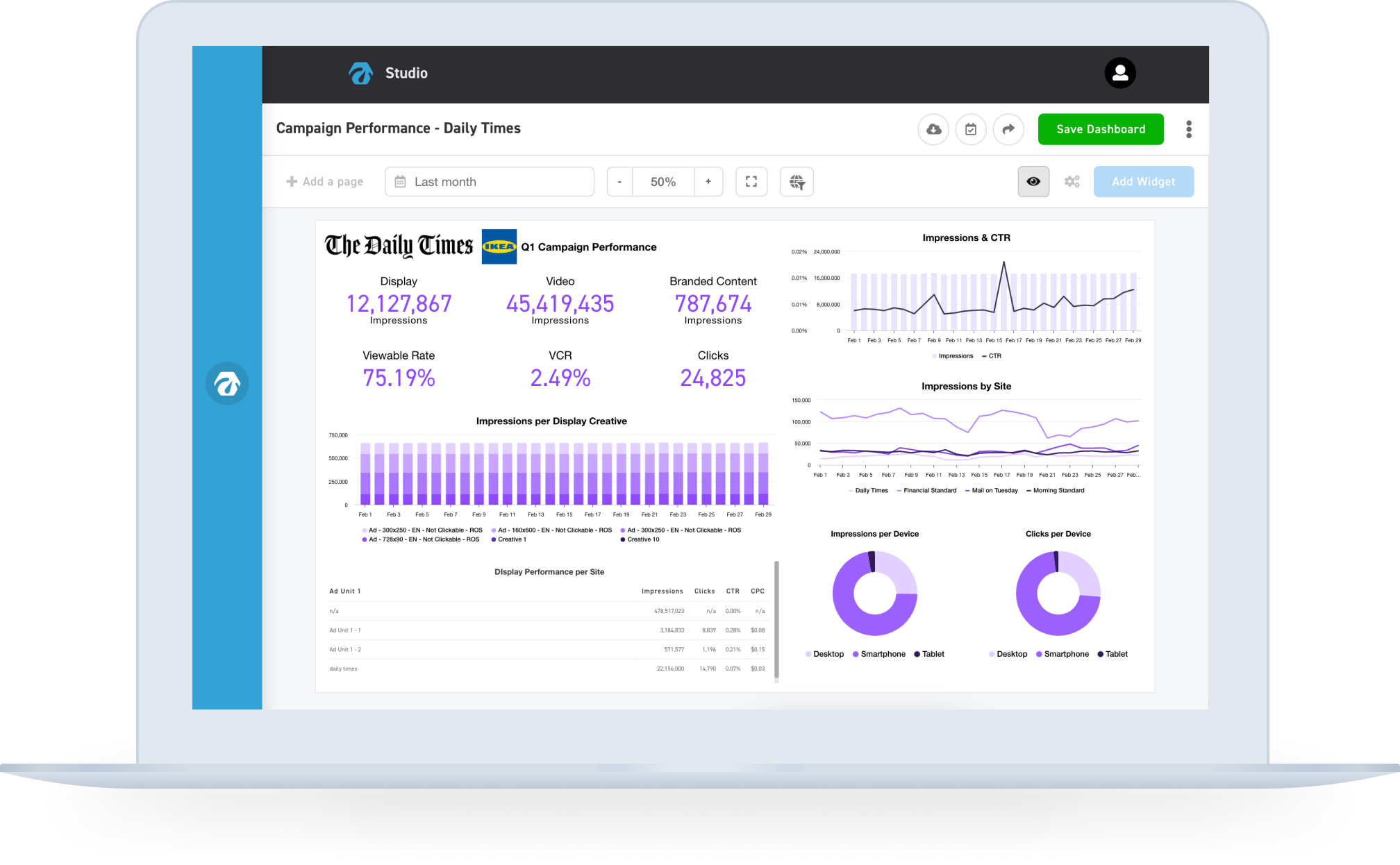
Dedicated advertising discrepancy reporting software can automatically consolidate data across first-party ad servers, third-party measurement platforms, OMS systems, and verification vendors into a single reporting environment. Automated matching, discrepancy monitoring, and alerting help teams identify issues faster and focus their time on analysis rather than data preparation.
As campaign complexity increases, automation becomes essential for maintaining accurate, scalable discrepancy reporting.

Burt’s Direct Reporting platform automates campaign matching, data reconciliation, and discrepancy monitoring across first-party and third-party systems, helping media companies improve reporting accuracy and operational efficiency at scale.
Learn more about Burt Direct Reporting. Contact Us.